What ProcureCon Marketing 2026 Tells Us About the Future of Marketing Procurement

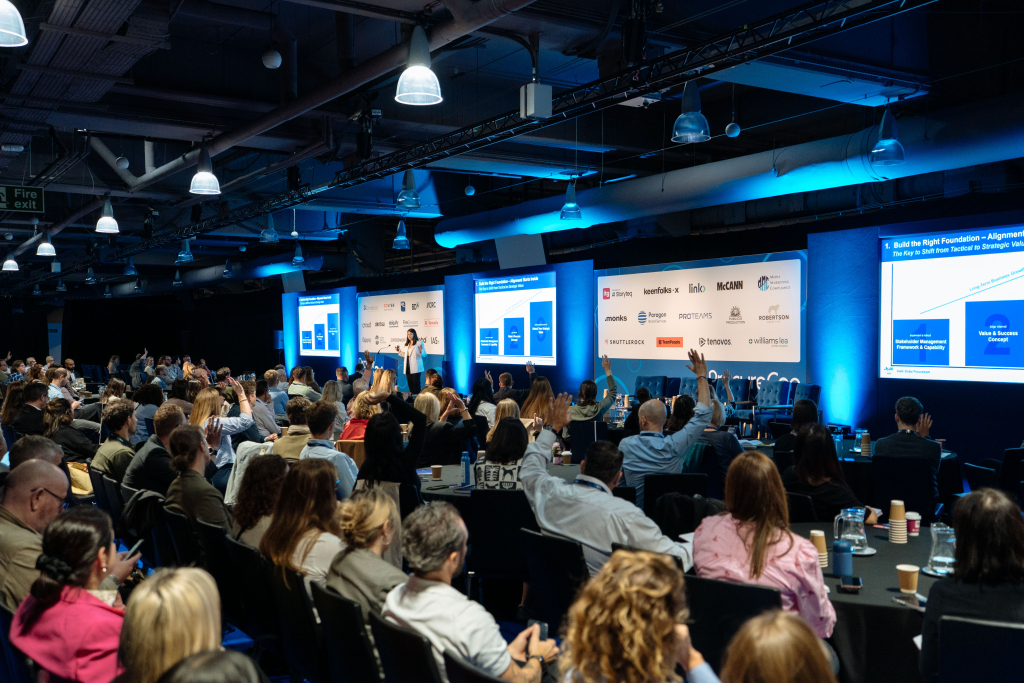
Over two days at ProcureCon Marketing in London, marketing procurement leaders, agencies, technology providers and consultants came together to discuss the challenges and opportunities shaping our profession.
Like any conference, the agenda is influenced to some degree by the sponsors supporting the event. However, what was fascinating was not just the topics themselves, but the consistency with which they appeared across presentations, panel discussions and conversations in the corridors.
If you wanted a snapshot of what marketing procurement leaders are wrestling with today, this event provided it.
It was also encouraging to see so many agencies investing time in attending. For years, procurement conferences were largely attended by procurement professionals talking to procurement professionals. Increasingly, agencies recognise that understanding the priorities, pressures and ambitions of marketing procurement is critical to building stronger client relationships and creating more effective partnerships.
The conversations over the two days revealed a profession in transition.
Marketing procurement is moving beyond its traditional reputation as a cost controller and evolving into something much broader: a strategic enabler of growth, innovation and business value.
Several themes stood out.

AI Has Moved Beyond the Hype Stage
If there had been an award for the most frequently used phrase during the conference, AI would have won comfortably.
Yet what impressed me most was not the volume of discussion but the quality of it.
The conversation has moved beyond "Should we use AI?" to "How do we use AI responsibly, effectively and at scale?"
Discussions covered everything from supplier selection and content creation to procurement operations, contract management and agency remuneration.
One recurring challenge was governance.
As AI becomes embedded across marketing and procurement processes, ownership is becoming increasingly blurred. Is AI a marketing issue? A procurement issue?
An IT issue? A legal issue? The reality is that it is all of these.
Many organisations are still experimenting with multiple tools that do not necessarily work together, creating fragmented ecosystems and new governance challenges.
The organisations that succeed will not necessarily be those that adopt the most AI tools. They will be those that build the right frameworks, capabilities and decision-making processes around them.
As one attendee observed, the future belongs to organisations that combine technology with human judgement, not those that simply automate faster.
The Great Remuneration Debate Continues
Few topics generated more discussion than agency remuneration.
There was widespread agreement that traditional FTE-based and hourly-rate models are increasingly under pressure.
After all, if AI can complete a task in minutes that previously took weeks, what exactly are we paying for?
Time is becoming a less meaningful measure of value.
Yet replacing time-based remuneration is proving easier to discuss than implement.
Outcome-based models continue to attract significant interest, particularly among large multinational organisations. However, defining and measuring outcomes remains challenging.
What constitutes success?
Who controls the variables?
How should risk and reward be shared?
Several speakers discussed attempts to move toward models that better align incentives with business results rather than simply rewarding activity.
What became clear is that no universal solution exists.
The future is likely to involve more flexible commercial arrangements, combining elements of outcomes, intellectual property, strategic contribution and traditional delivery models.
The challenge for procurement is creating frameworks that encourage innovation and value creation without introducing unnecessary complexity.
Supplier Relationship Management Is Becoming Strategic
One of the most encouraging developments was the emphasis placed on supplier relationships.
Historically, supplier relationship management has often been viewed through a procurement lens focused on governance, compliance and performance management.
Today's leading organisations are taking a broader view.
The strongest partnerships are increasingly built on trust, collaboration and shared objectives rather than transactional oversight.
There was significant discussion about ecosystem management and the growing role procurement plays in helping multiple agency and supplier partners work together effectively.
This reflects the reality of modern marketing.
Few organisations rely on a single agency partner. Most manage complex networks of creative, media, content, production, technology and specialist providers.
Procurement is uniquely positioned to help orchestrate those ecosystems.
As Julian Boulding (Agency leader – the networkone) observed during the event, marketing procurement is increasingly being asked to manage collaboration not only between suppliers and clients, but also among suppliers themselves.
That represents a significant shift in expectations.
The role is becoming less about controlling suppliers and more about enabling collective performance.
Data Is Abundant. Insight Remains Scarce.
Another recurring theme was measurement.
There is no shortage of data.
What organisations continue to struggle with is turning data into actionable insight.
Whether discussing agency performance, media effectiveness, content production or procurement value creation, the same challenge emerged repeatedly.
How do we measure what truly matters?
Many procurement professionals remain naturally attracted to metrics that are easy to quantify.
Cost savings.
Productivity gains.
Compliance levels.
Yet marketing success often involves more nuanced measures.
Brand growth.
Customer engagement.
Market share.
Long-term value creation.
These outcomes are harder to isolate and attribute, but increasingly important.
Several speakers argued that marketing procurement must become more comfortable operating in environments where perfect measurement is impossible.
The future requires balancing analytical rigour with commercial judgement.
The Rise of the Change Manager
One theme that cut across almost every discussion was change.
The pace of change.
The scale of change.
The complexity of change.
Marketing procurement professionals are no longer simply sourcing experts or negotiators.
They are increasingly becoming change managers.
Whether implementing AI, redesigning agency ecosystems, introducing new remuneration models or improving supplier collaboration, success depends on influencing people and navigating organisational complexity.
Joanna Burnage's (Head of Procurement at VW Group) keynote on becoming a trusted business partner resonated strongly because it highlighted this reality.
The opportunity for marketing procurement is no longer simply to enable growth.
It is to actively help create it.
That requires a different mindset.
And different capabilities.
Future-Ready Leadership Requires More Than Technical Expertise
One of the standout sessions was a TED-style presentation from Craig Butler (Commercial Procurement Business Partner at Diageo) on future-ready leadership.
The message was simple but powerful.
Technical excellence alone is no longer enough.
The leaders creating the greatest impact are those who combine analytical rigour and commercial acumen with emotional intelligence, adaptability and influence.
Or as Craig put it: "Always be curious."
That phrase appeared repeatedly throughout the event.
Curiosity is becoming a critical leadership capability.
Because in a world where technology changes rapidly and business models continue to evolve, no individual can rely solely on what they already know.
The willingness to learn may become more valuable than expertise itself.
Talent and Capability May Be the Biggest Challenge of All
This brings us to what was perhaps the most important theme of the conference.
Talent.
Across multiple sessions, there was widespread recognition that the skills required in marketing procurement are changing rapidly.
Traditional procurement capabilities remain important.
Commercial negotiation.
Strategic sourcing.
Supplier management.
Financial analysis.
These skills still matter.
But increasingly they must be complemented by stakeholder management, business partnering, communication, influence, adaptability and technology literacy.
Marketing procurement professionals are being asked to operate at the intersection of marketing, finance, technology, procurement and business strategy.
That is a demanding brief.
The challenge is no longer simply attracting talent.
It is developing it.
One of the panels I chaired focused specifically on capability and upskilling.
The consensus was clear.
Investment in learning and development is becoming a strategic necessity rather than a discretionary benefit.
Organisations that fail to build capability risk falling behind.
Women in Marketing Procurement
Another particularly rewarding session explored the experiences of women in marketing procurement and those who support them.
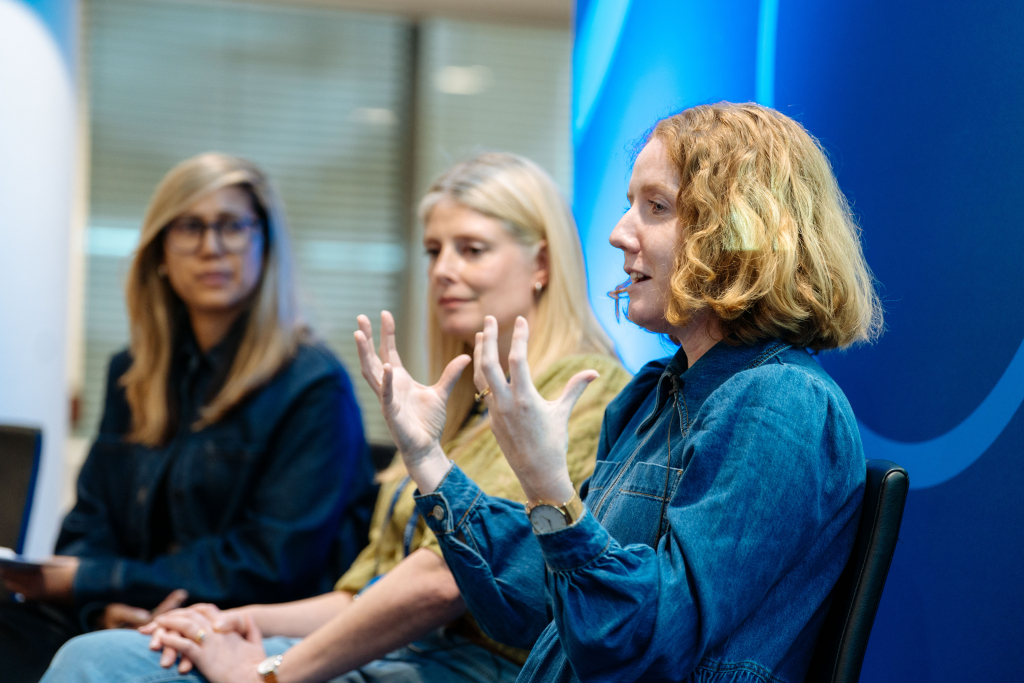
Alongside Louise Deane (Global Marketing Procurement Category Manager at Suntory), Joanna Burnage (Head of Procurement VW Group) and Michelle Pawlow (Global Procurement and Sustainability Director at AG1 and Rising Star winner of The Marketing Procurement Awards - https://marketingprocurementawards.org/), we discussed confidence, sponsorship, mentoring, career progression and the importance of visible role models.
One attendee later reflected that hearing successful leaders openly discuss the realities of balancing careers, family responsibilities and personal challenges created one of the most honest conversations of the conference.
Progress has undoubtedly been made.
But continued focus on inclusion, diversity and support networks remains essential.
The profession benefits enormously from diverse perspectives and experiences.

Looking Ahead: Three Themes That Will Define 2027
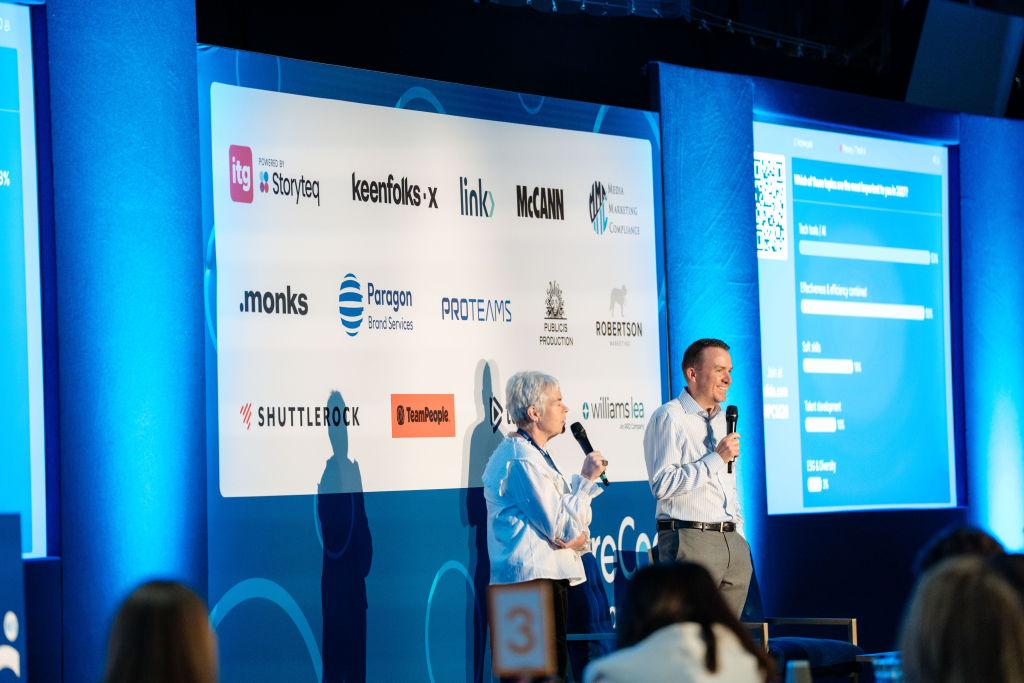
As the conference concluded, Craig Butler and I were asked to reflect on what we believe will define marketing procurement over the next year.
We identified three themes.
1. AI, Technology and Tools
The focus will shift from experimentation to integration. Winning organisations will embed AI into workflows, supplier management, content creation and decision-making processes while maintaining strong governance and human oversight. 2. Efficiency and Effectiveness Marketing procurement's future is not about choosing between efficiency and effectiveness. It is about delivering both. The profession will increasingly be judged not only on cost management but also on its contribution to business outcomes and growth. 3. Talent and Skills Technology alone will not transform organisations. People will. The capability gap remains one of the biggest challenges facing the profession. Investment in skills, learning and leadership development will become one of the strongest differentiators between good organisations and great ones.
2. Efficiency and Effectiveness
Marketing procurement's future is not about choosing between efficiency and effectiveness.
It is about delivering both.
The profession will increasingly be judged not only on cost management but also on its contribution to business outcomes and growth.
3. Talent and Skills
Technology alone will not transform organisations.
People will.
The capability gap remains one of the biggest challenges facing the profession.
Investment in skills, learning and leadership development will become one of the strongest differentiators between good organisations and great ones. For me I was pleased to see this and it is a key reason that we have launched the Marketing Procurement Mastery (MPM) Training program this year - https://mpm.training/ .
Final Thoughts
Perhaps the most important takeaway from ProcureCon Marketing 2026 was this:
Despite all the discussion about AI, technology, data and operating models, success still comes down to people.
Trust.
Relationships.
Collaboration.
Leadership.
Commercial judgement.
These remain the foundations upon which every successful transformation is built.
Marketing procurement's greatest opportunity isn't AI in isolation.
It isn't new agency models.
It isn't cost savings.
As Graham Crawshaw (Procurement Content Director at CASME) observed during the event – "the greatest opportunity is earning the right to influence earlier, using trust, data, governance and commercial judgement to turn marketing investment into business impact".
That feels like a fitting description of where our profession is heading.
And why the future of marketing procurement has never been more exciting.