CASME’s ProcureCon Marketing Wrap-Up: Key Themes, Insights and Discussions
ProcureCon Marketing brought together a clear message for marketing procurement: the function is no longer just being asked to manage cost, process and supplier relationships. It is being asked to create value, build trust, enable better decisions and help marketing investment work harder.
Across the conference, several themes stood out.
First, the journey from procurement function to trusted business partner is still unfinished. The strongest examples showed that influence is earned through proactive engagement, credible relationships, better data, senior-level visibility and the discipline to show stakeholders the value procurement is already creating. Late involvement remains a persistent challenge, but the answer is not to wait for an invitation. It is to create presence, build credibility and make procurement relevant before the brief is locked.
Second, AI is now part of the operating reality. The discussion has moved beyond experimentation and into workflow, agency delivery, tenders, data discovery, analysis, content creation, supplier management and procurement operations. But the message was not "AI will solve everything". The more useful conclusion was that AI raises the floor, while people raise the ceiling. Human judgment, context, governance and commercial discipline remain essential.
AI also raises a more difficult commercial question: what are clients really buying from agencies? If agency work is increasingly supported by automation, tools and agentic systems, then traditional FTE-based models need to be challenged. Procurement now has to understand workflow transparency, AI maturity, auditability, pricing logic and how productivity gains should be reflected in commercial models.
Agency remuneration and relationship management were recurring themes. One audience poll showed that hybrid models remain dominant, with 55% of respondents using hybrid remuneration structures across agency relationships. Fixed retainers, output or deliverable-based models, performance bonuses and pure outcome or commission-based models each registered 10%, while significant fee-at-risk models were at 5%. The direction of travel is clear, but so is the challenge: better incentives require clearer briefs, better KPIs, stronger measurement and a more mature relationship between marketing, procurement, finance and agencies.
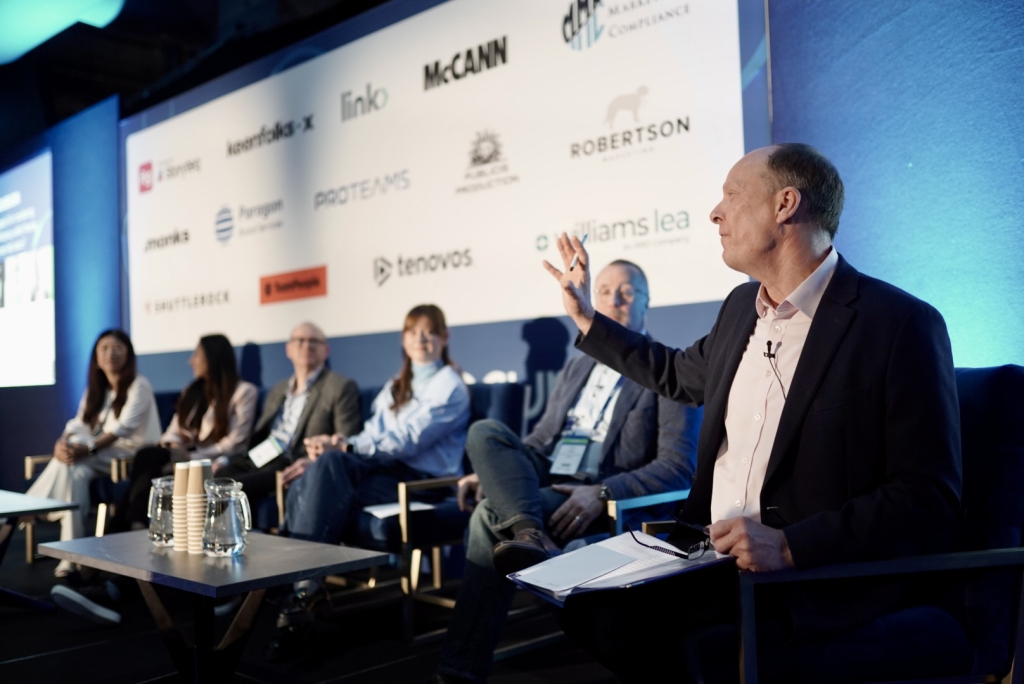
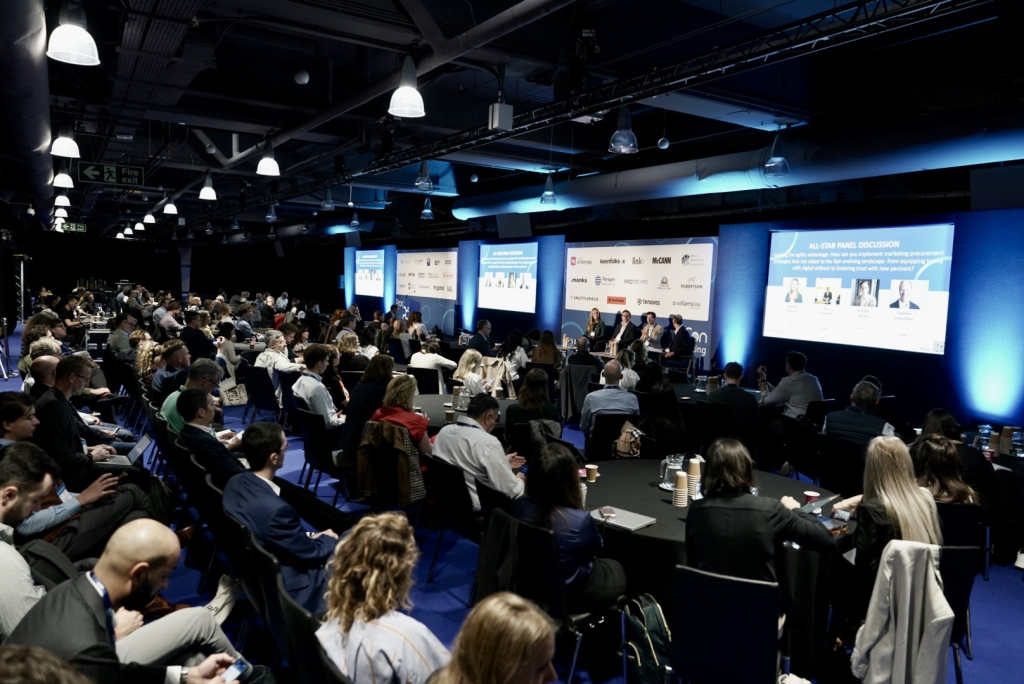
Agility was also put under the spotlight. The conference challenged the idea that agility simply means moving faster. It does not. Agility is not cutting corners, compressing a poor process or bypassing governance. It comes from earlier involvement, clearer decision rights, stronger internal alignment, better data, trusted relationships and the confidence to make informed decisions at pace.
That linked strongly to one of the most practical messages of the event: governance before speed. A presentation from a large UK food retailer was a powerful reminder that major marketing procurement projects need a clear problem to solve, written governance, challenged assumptions, careful management of reputation and enough time relative to the scale of the task. Efficiency is important, but speed without clarity can create risk, rework and damaged relationships.
The conference also reinforced that effectiveness must now sit alongside efficiency. Marketing procurement has long been associated with savings and commercial control, but the expectation is shifting. The opportunity is to help organisations spend smarter, improve outcomes and maximise the impact of every pound, euro or dollar invested in marketing.
Talent and capability were another major theme. Technical procurement expertise still matters, including commercial models, stakeholder management, contract management, quantitative analysis and AI fluency. But technical expertise is increasingly the baseline. The differentiators are emotional intelligence, storytelling, curiosity, adaptability, resilience and the ability to bring people with you.
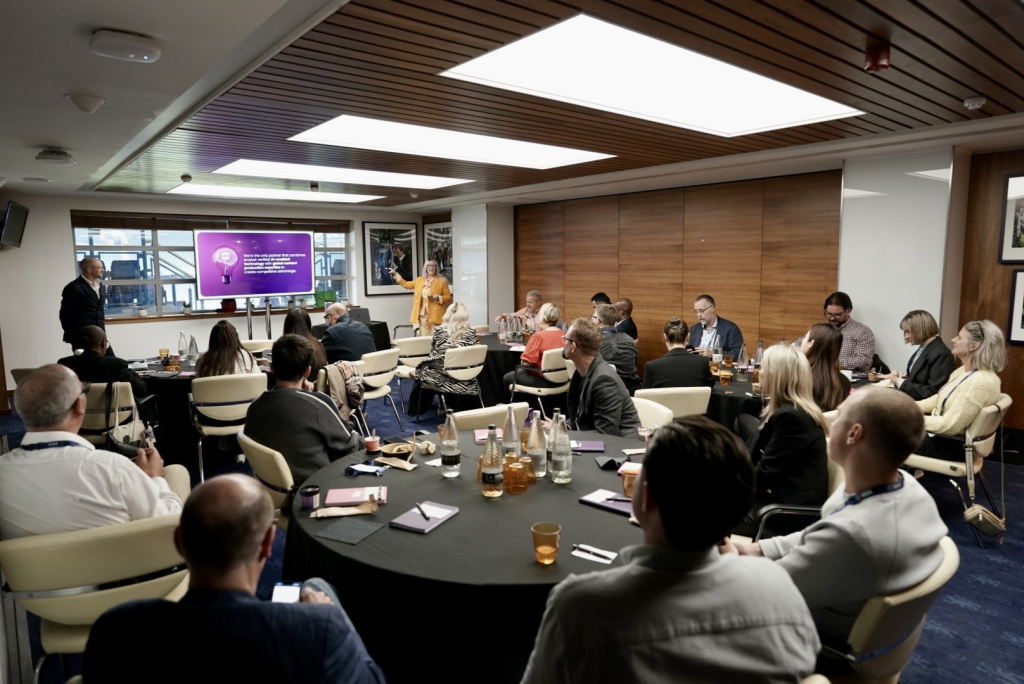
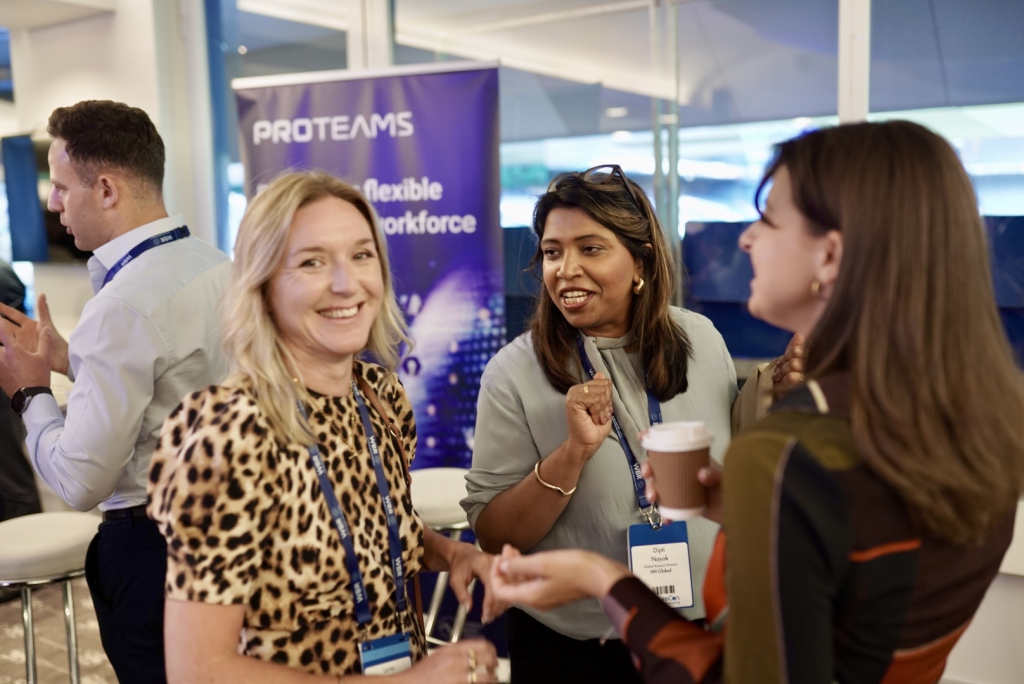
There were also important conversations about women in marketing procurement, confidence, sponsorship, mentoring and visible role models. Progress has been made, but the profession will only continue to strengthen if it benefits from broader perspectives, stronger support networks and more intentional development pathways.
The final audience poll reinforced the direction of travel. When asked which topics would matter most for 2027, delegates selected Tech tools / AI at 53% and effectiveness and efficiency combined at 50%, ahead of soft skills, talent development, ESG and diversity. But the real story of the conference was not the poll result alone. It was the practical challenge behind it: how marketing procurement builds the capability, trust and governance to turn those priorities into business impact.
The overall takeaway was clear.
Marketing procurement is entering a more demanding, more strategic phase. The future will be shaped by AI, effectiveness, agency model evolution and talent. But success will come from something more human: judgement, trust, influence and the ability to connect the wider marketing ecosystem around better commercial and business outcomes.
CASME is a ProcureCon Marketing Media Partner. To find out more about membership visit casme.com